✨ Shree Maha Yoga – Rishikesh • Andaman • Bali ✨ Get 30% OFF on TTC Book Your Spot Now
✨ Limited seats – Yoga Alliance Certified ✨ Early Bird Offer Call Now – Yoga TTC Rishikesh
🌿 Andaman Beach Retreat + Bali Jungle Yoga 🌿 Special Combo 200H / 300H TTC
🌸 Shree Maha Yoga – Authentic Lineage . Enroll Now +91 8859782485 DM for Details
🔥 FLASH SALE: Up to 35% OFF on Yoga TTC + Free Retreat Voucher 🔥 Limited Seats. Contact Us Now
🏆 YOGA ALLIANCE USA CERTIFIED SCHOOL. | Rishikesh • Andaman • Bali Book Now
Grab Deal Limited to 15 seats.
Near Laxman Jhula, Post Office, Krimula, Rishikesh ✉️ shreemahayoga@gmail.com
Chat on WhatsApp | Call +91 8859782485
✨ Shree Maha Yoga – Rishikesh • Andaman • Bali ✨ Get 30% OFF on TTC Book Your Spot Now
✨ Limited seats – Yoga Alliance Certified ✨ Early Bird Offer Yoga Teacher Training Rishikesh
🌿 Andaman Beach Retreat + Bali Jungle Yoga 🌿 Special Combo 200H / 300H TTC
🌸 Shree Maha Yoga – Authentic Lineage Enroll Now +91 8859782485 DM for Details
🔥 FLASH SALE: Up to 35% OFF on Yoga TTC + Free Retreat Voucher 🔥 Limited Seats Contact Us Now
🏆 YOGA ALLIANCE USA CERTIFIED SCHOOL | Rishikesh • Andaman • Bali Book Now
🙏 Special Diwali Intake: 40% OFF + Karma Yoga Kit Grab Deal Limited to 15 seats
Near Laxman Jhula, Rishikesh ✉️ shreemahayoga@gmail.com
Chat on WhatsApp | Call Now

200 Hour Yoga Multy Style Teacher Training In Mysore, India

Home

200 Hour Multy Style Yoga Teacher Training in Mysore, India

MULTI-STYLE YOGA TTC • MYSORE, INDIA

200 Hour Multi‑Style Yoga Teacher Training
in Mysore, India

Transform Your Practice Through Traditional Yoga in the Heart of Mysore: A Journey Through Hatha, Ashtanga and Pranayama

  • Duration: 28 Days
  • Hatha, Ashtanga Vinyasa, Pranayama
  • Beginner / Intermediate / Advanced
  • Yoga Alliance USA Certified
Yoga TTC Mysore
200 Hour Yoga Multy Style Teacher Training In Mysore, India
DATES & PRICE

200 Hours Multistyle YTTC In Mysore, India

Course Fee – Affordable, Transparent, All-Inclusive Residential Packages

Room TypeOriginal PriceDiscountFinal PriceYou SaveBooking
Private €1,600 30% OFF €1,120 Save €480
Twin Shared (1 Guest) €1,450 30% OFF €1,015 Save €435
Twin Shared (2 Guests) €2,570 30% OFF €1,799 Save €771
Triple Shared (Women Only) €1,250 30% OFF €875 Save €375
Triple Shared (3 Guests) €3,490 30% OFF €2,443 Save €1,047

Private Room

Original Price€1,600
Discount30% OFF
Final Price€1,120
You SaveSave €480

Twin Shared (1 Guest)

Original Price€1,450
Discount30% OFF
Final Price€1,015
You SaveSave €435

Twin Shared (2 Guests)

Original Price€2,570
Discount30% OFF
Final Price€1,799
You SaveSave €771

Triple Shared (Women Only)

Original Price€1,250
Discount30% OFF
Final Price€875
You SaveSave €375

Triple Shared (3 Guests)

Original Price€3,490
Discount30% OFF
Final Price€2,443
You SaveSave €1,047

About 200-Hour Multi-Style Yoga Teacher Training in Mysore

Join Shree Maha Yoga for an immersive 28-day, Yoga Alliance Certified 200-Hour Yoga Teacher Training in Mysore, India. This comprehensive course combines the wisdom of traditional Hatha Yoga with the dynamic practice of Ashtanga Vinyasa Yoga.

Whether you aspire to teach or deepen your personal practice, this training offers authentic learning in one of India's most respected yoga destinations.

  • Yoga Alliance Certified 200-Hour Teacher Training
  • 28-Day Residential Program
  • Traditional Hatha Yoga + Ashtanga Vinyasa
  • Daily Meditation & Pranayama + Philosophy
Mysore Yoga Training

Why Choose Mysore for Your TTC?

Mysore is globally recognised as a centre for traditional yoga, offering a peaceful atmosphere, rich heritage, and deep connection to Ashtanga Vinyasa.

Peaceful Atmosphere

Serene environment away from distractions

Yogic Heritage

Heart of Ashtanga tradition & culture

Expert Guidance

Experienced senior yoga masters

Multi-Style Approach

Hatha + Ashtanga Vinyasa fusion

What You Will Study

Hatha Yoga

Develop strength, flexibility, alignment, and breath awareness. Foundational postures, alignment principles, and techniques for balance.

Ashtanga Vinyasa

Breath-synchronized movement, Primary Series, stamina, concentration, and flowing sequences.

Pranayama

Traditional breathing techniques: breath awareness, energy management, therapeutic applications.

Meditation

Mindfulness, concentration techniques, Dhyana, and traditional yogic meditation methods.

Yoga Philosophy

Eight Limbs, Yoga Sutras, Karma, Dharma, yogic ethics, and the path of self-development.

Anatomy & Physiology

Skeletal, muscular, respiratory systems, biomechanics, injury prevention for safe teaching.

Teaching Methodology

Class planning, sequencing, verbal cueing, hands-on adjustments, and professional skills.

Teaching Practicum

Peer teaching, group sessions, supervised opportunities, and final assessment.

Daily Schedule & Itinerary

TimeActivity
06:00 - 07:00Meditation & Pranayama
07:00 - 09:00Ashtanga Vinyasa Practice
09:00 - 10:00Breakfast
10:00 - 11:30Yoga Philosophy / Anatomy
11:30 - 12:30Self-study / Alignment Workshop
12:30 - 14:30Lunch & Rest
14:30 - 16:30Hatha Yoga / Teaching Methodology
16:30 - 18:00Practicum / Adjustments Lab
18:00 - 19:00Evening Meditation / Satsang
19:00 - 20:00Dinner
20:00 - 21:00Self-study / Journaling

*Schedule may vary slightly depending on season & group needs

Upcoming Dates

1st - 28th Aug 2026
1st - 28th Sep 2026
1st - 28th Oct 2026
1st - 28th Nov 2026

Course starts 1st of every month – residential program in Mysore

Book Your Yoga Teacher Training With Us

Reserve your spot with early bird discount – limited seats per batch

Fill Application Form

Mysore, India – Authentic Yoga Capital | Shree Maha Yoga (RYS 200/300)

Yoga Styles Which You Have Learn In This Course

Hatha Yoga

Vinyasa Yoga

Ashtanga Yoga

Karma Yoga

Alignment Yoga
Yin Yoga

Discovering Peace In Every Picture: A Look At The Essence Of Shree Maha Yoga

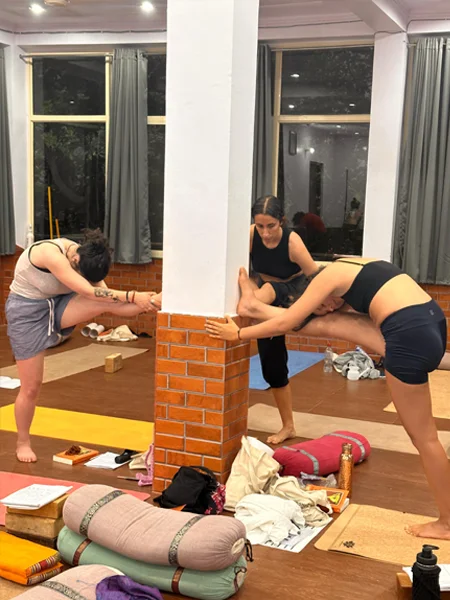
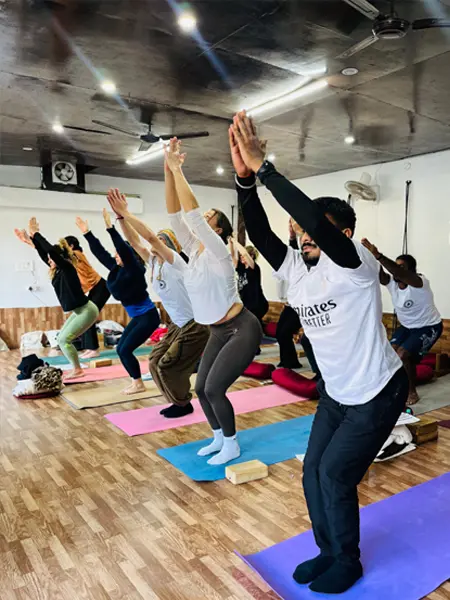
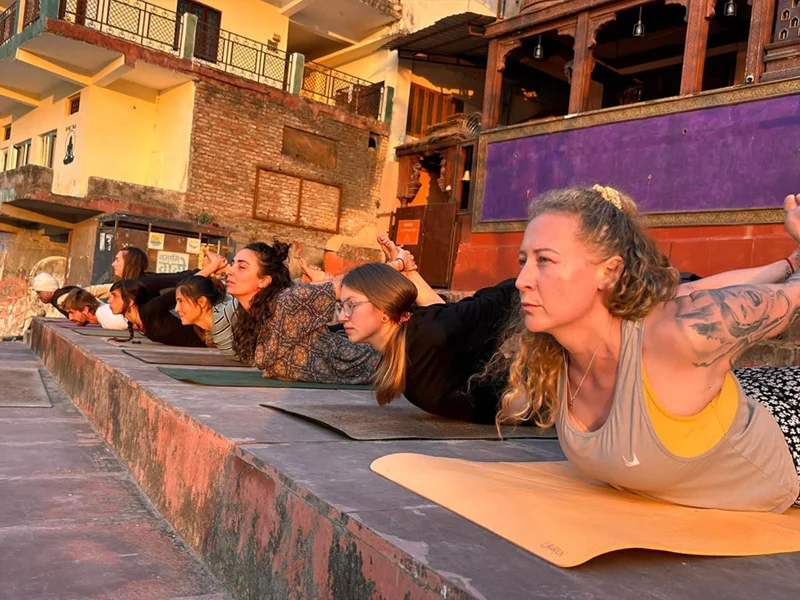
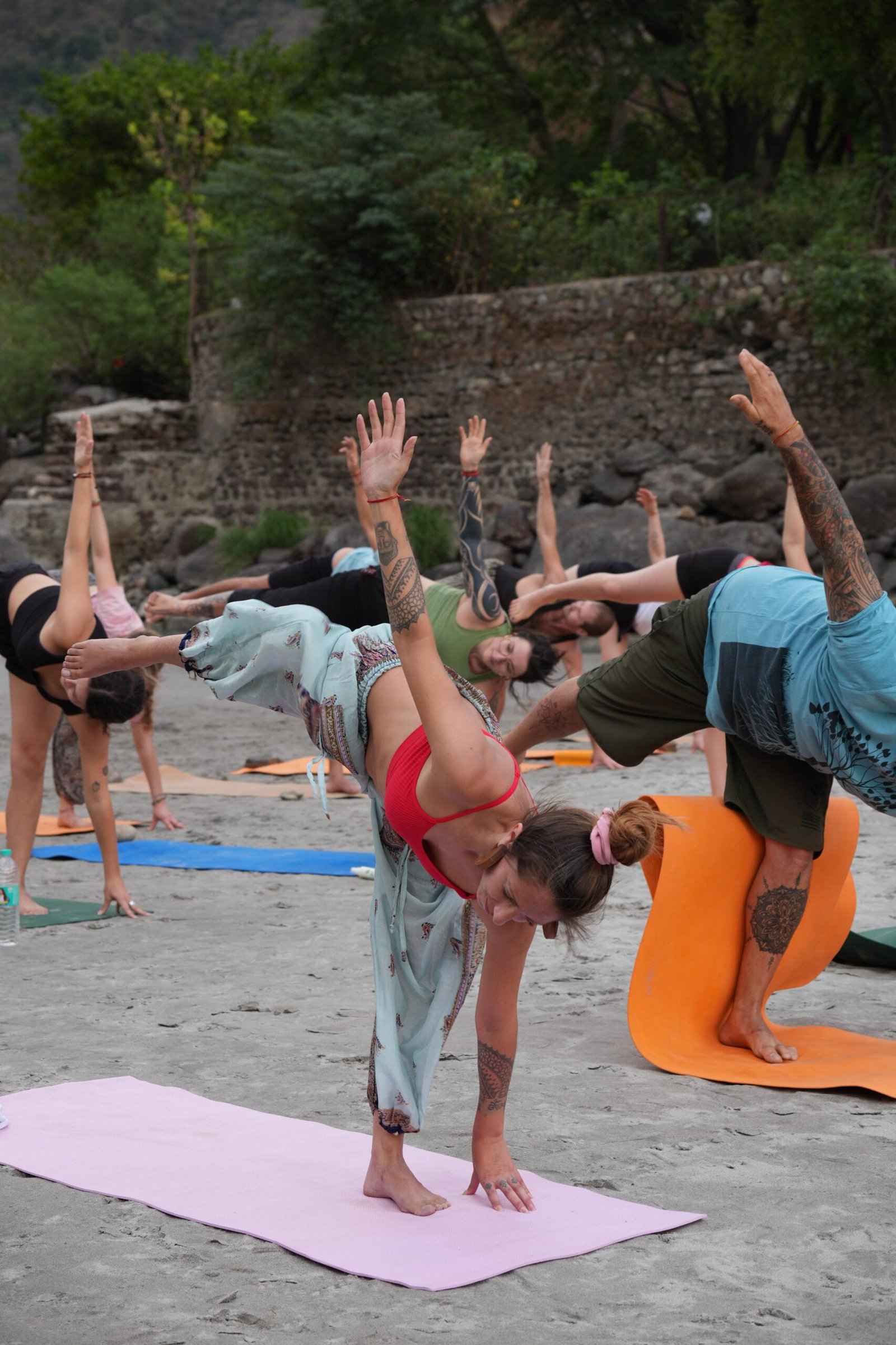
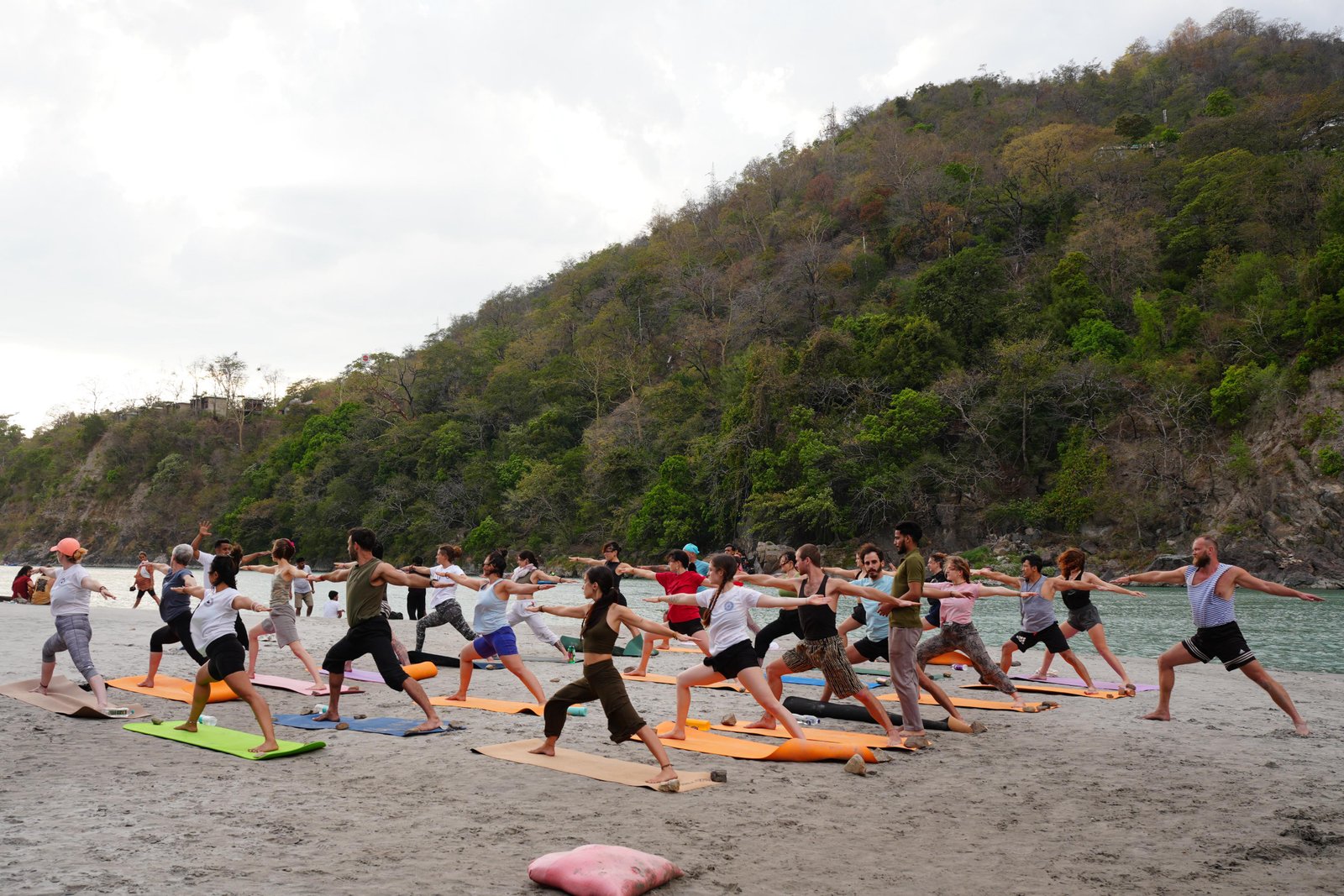
Experience tranquility within the serene walls of Shree Maha Yoga’s indoor yoga classes. Our carefully designed studio combines traditional aesthetics with a modern touch, creating an atmosphere of calm and focus. Each session emphasizes harmony, inviting you to leave behind the outside world’s distractions. Soft lighting, soothing scents, and gentle music set the stage for deepening your practice. Our experienced instructors guide you through asanas, meditation, and pranayama, fostering a sense of inner peace. Discover a sanctuary where you can reconnect with yourself and find balance, all within the comforting embrace of Shree Maha Yoga’s welcoming environment.

Yogic Food & Accomodation With Best View

Clean and comfortable accommodation comprises of single private rooms and double shared rooms with attached washrooms. Three highly nutritious, healthy and sattvic meal per day (Breakfast, Lunch and Dinner). Our yogic diet food is perfect for nourishing the mind, body and soul. Detox and herbal teas are served twice a day.

Book Your 200 Hour Multy Style Yoga Teacher Training Course TODAY!

Course Syllabus

Yoga Asana Practice

Hatha Yoga forms the foundation of the physical practice and emphasizes stability, alignment, awareness, and conscious breathing. Students will learn a wide range of traditional postures, including standing poses, seated postures, backbends, twists, inversions, and relaxation techniques. Particular attention is given to proper body mechanics, safe alignment, and the therapeutic benefits of each posture. Through daily practice, students gradually develop strength, flexibility, balance, and body awareness while cultivating a meditative approach to movement.

Students are introduced to the traditional Ashtanga Vinyasa system, a dynamic and disciplined practice that synchronizes breath with movement. The training focuses primarily on the Primary Series, helping students understand the sequence, transitions, breathing techniques, and energetic principles that underpin the practice. Regular Ashtanga sessions cultivate endurance, concentration, mental resilience, and a deeper understanding of yoga as a moving meditation.

Understanding alignment is essential for both personal practice and teaching. Students learn how different body structures affect posture execution and how to adapt poses safely for individual needs. Through detailed anatomical and practical instruction, participants develop the ability to recognize common misalignments and guide students toward healthier movement patterns that reduce strain and enhance the benefits of practice.

Every practitioner arrives with unique strengths, limitations, and physical conditions. Students learn how to modify postures to accommodate beginners, seniors, individuals with injuries, and practitioners with varying levels of flexibility and strength. Variations are explored to make yoga accessible, inclusive, and effective for diverse populations while maintaining the integrity of each posture.

Yoga props such as blocks, straps, bolsters, blankets, and chairs are valuable tools for enhancing accessibility and understanding. Students learn how props can support alignment, increase comfort, deepen awareness, and make postures available to practitioners of all levels. The intelligent use of props empowers future teachers to create safe and supportive learning environments.

An effective yoga class is more than a collection of postures. Students learn how to organize classes intelligently, creating balanced sequences that prepare the body progressively, build toward specific goals, and conclude with appropriate counterposes and relaxation. Understanding sequencing allows teachers to design classes that are safe, purposeful, and transformative.

A responsible yoga teacher understands how to minimize risk and support healthy movement. Students learn common causes of yoga-related injuries, how to recognize warning signs, and how to adapt practices for different physical conditions. Emphasis is placed on mindful progression, anatomical awareness, and teaching techniques that promote long-term well-being.

Pranayama

The breath serves as the bridge between body and mind. Students begin by developing awareness of natural breathing patterns and learning how breath influences physical, emotional, and mental states. This foundation helps practitioners cultivate presence, concentration, and greater control over their energy levels.

The course introduces traditional pranayama practices designed to purify the nervous system, improve respiratory efficiency, and increase vitality. Students explore various breathing methods that promote relaxation, mental clarity, focus, and energetic balance while learning the traditional principles behind each technique.

According to yogic science, the breath is closely connected to the flow of life force within the body. Students learn how specific breathing techniques influence energy levels, emotional states, and mental focus. This understanding provides valuable tools for maintaining balance both on and off the mat.

Pranayama is traditionally used as a preparation for meditation. Through systematic breath practices, students learn how to calm mental fluctuations, improve concentration, and create the internal conditions necessary for deeper states of awareness and contemplation.

Modern research increasingly supports the benefits of conscious breathing for stress reduction, emotional regulation, and nervous system health. Students explore how pranayama techniques may be adapted to support relaxation, resilience, and overall well-being in a variety of practical contexts.

Meditation

Breath meditation teaches students to use the natural rhythm of breathing as an anchor for attention. This simple yet powerful practice helps develop concentration, mindfulness, and emotional stability while cultivating a deeper connection to the present moment.

The ability to focus the mind is a fundamental aspect of yoga. Students explore traditional concentration methods that strengthen attention, reduce mental distraction, and prepare the mind for deeper meditative experiences. These techniques support clarity, discipline, and inner steadiness.

Mindfulness encourages a non-judgmental awareness of thoughts, emotions, sensations, and experiences as they arise. Through guided practices and daily observation, students develop greater self-awareness, emotional intelligence, and the capacity to respond to life’s challenges with presence and equanimity.

Students are introduced to classical meditation approaches drawn from the yogic tradition. These practices provide pathways toward inner stillness, self-inquiry, and deeper understanding of the nature of mind and consciousness.

Yoga Philosophy

Students explore the comprehensive framework presented by Sage Patanjali, which outlines yoga as a path of ethical living, self-discipline, physical practice, breath regulation, concentration, meditation, and self-realization. Understanding the Eight Limbs helps place modern yoga practice within its broader spiritual context.

The Yoga Sutras are among the most influential texts in the yogic tradition. Students study key teachings related to the nature of the mind, the causes of suffering, and the methods for cultivating inner freedom, clarity, and lasting peace.

Participants examine the concepts of action, responsibility, purpose, and personal growth through a yogic lens. These teachings encourage greater self-awareness and provide valuable guidance for living with integrity and intention.

The ethical foundations of yoga offer practical principles for navigating relationships, personal conduct, and spiritual development. Students explore how these timeless teachings can be applied meaningfully in contemporary life and professional teaching settings.

Yoga offers profound insights into the nature of thought, perception, identity, and awareness. Through philosophical study and personal reflection, students deepen their understanding of the mind and its role in shaping human experience.

Yoga offers profound insights into the nature of thought, perception, identity, and awareness. Through philosophical study and personal reflection, students deepen their understanding of the mind and its role in shaping human experience.

Anatomy and Physiology

Students learn the structure and function of the skeletal system and how bones, joints, and connective tissues support movement and stability in yoga practice. Understanding skeletal anatomy enhances both safety and effective teaching.

This module explores major muscle groups, movement patterns, flexibility, strength development, and muscular balance. Students gain practical knowledge that helps them teach postures with greater precision and awareness.

Understanding how the respiratory system functions provides valuable insight into pranayama, endurance, stress regulation, and overall health. Students learn how breathing mechanics influence yoga practice and well-being.

The nervous system plays a central role in movement, relaxation, learning, and emotional regulation. Students explore how yoga practices affect both the sympathetic and parasympathetic nervous systems and contribute to overall balance.

Biomechanics examines how the body moves efficiently and safely. Students learn fundamental movement principles that improve posture execution, reduce injury risk, and support sustainable long-term practice.

Future teachers must understand how to identify potential risk factors and adapt practices accordingly. This section provides practical knowledge for creating safer classes and supporting students with diverse needs and limitations.

Teaching Methodology

Students learn how to structure effective classes with clear objectives, logical progression, and appropriate pacing. Thoughtful planning enables teachers to create meaningful and engaging experiences for students of all levels.

Building upon the foundations of yoga practice, students learn how to organize postures in ways that are balanced, purposeful, and responsive to specific class themes and goals.

Clear communication is one of the most important teaching skills. Students develop the ability to provide concise, accurate, and inspiring instructions that help students move safely and confidently.

Effective demonstrations can greatly enhance learning. Students practice presenting postures clearly while maintaining awareness of the needs of the class and creating a supportive learning environment.

Participants learn the principles of safe and respectful physical adjustments. Emphasis is placed on communication, consent, observation, and supporting students without forcing movement.

The ability to observe students accurately is essential for effective teaching. Students develop skills in assessing posture, movement patterns, breath awareness, and individual needs.

This section prepares future teachers for the practical realities of teaching yoga, including classroom management, professionalism, ethics, confidence-building, and developing an authentic teaching voice.

Teaching Practicum

Students gain confidence by teaching fellow trainees in a supportive environment. Peer teaching provides valuable opportunities to practice communication, sequencing, and class leadership skills.

Throughout the training, students participate in supervised teaching exercises that encourage collaboration, constructive feedback, and continuous improvement.

As the course progresses, trainees take increasing responsibility for leading classes under the guidance of experienced instructors. These practical teaching experiences help bridge the gap between learning and professional teaching.

Students demonstrate their understanding of yoga practice, teaching methodology, communication, and class management through a final teaching practicum. This assessment ensures graduates are prepared to begin teaching with competence and confidence.

What does and doesn't the course fee include?

Note: All classes are mandatory only in case of an emergency or illness one can take leave with respected teacher permission. Uninformed leaves won’t be accepted and this will leave bad impression on student monthly performance.

Scroll to Top